

Not Just Content—A Learning Model in Action
From the start, REAL CHEM was developed as a testable model for how students learn best in digital environments. The team behind it didn’t just include subject matter experts—they brought together learning scientists, instructional designers, and developers to translate research into practice.
The result is a courseware environment intentionally built around evidence-based strategies, including:
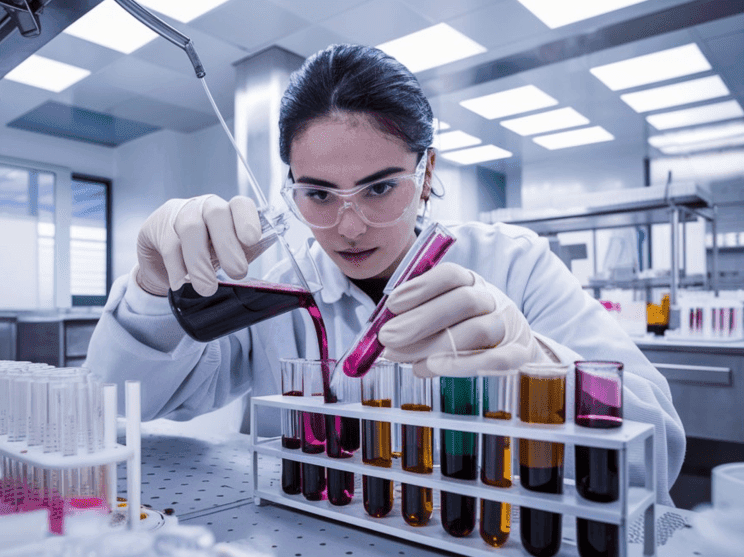
- Cinematic videos that ground abstract concepts in real-world relevance
- Explorations that promote active learning through hands-on digital investigation
- Formative assessments that personalize feedback and support metacognition
- AI-powered tutoring that adapts to student needs in real time
With REAL CHEM now in use, the results are validating its design—showing measurable improvements in student performance, retention, and engagement.
Results from REAL CHEM’s First Year
REAL CHEM was designed to reflect what research has long shown about how students learn best—especially in STEM. A 2013 study emphasized the power of active learning to improve outcomes, while more recent findings in 2023 affirmed that students from all backgrounds are capable of learning at similar rates when given the right support. Those insights shaped every element of the courseware—and now, early results are starting to reflect that intent.
Comparable Learning Gains Across Preparation Levels
At four community colleges, data from 183 students showed that while incoming knowledge varied, students using REAL CHEM learned at similar rates—regardless of math background.
Higher Midterm Scores
At the University of California, Riverside, REAL CHEM students scored 19 percentage points higher on midterms—equivalent to a two-letter grade increase—compared to peers not using the courseware.
Improved STEM Retention
At California State University, Los Angeles, STEM retention increased by 17 percentage points in terms when students used REAL CHEM.
These results offer more than promising indicators—they provide clear, measurable confirmation that REAL CHEM’s approach is working across different institutions and student populations. As more classrooms adopt the courseware, this foundation of evidence will continue to grow—and continue to shape what effective digital learning looks like in STEM.
Evolving Through Evidence
REAL CHEM was never designed to be finished: Like any well-informed learning model, it’s built to grow—shaped by the evidence that comes from real student experiences.
When early data showed that formative assessments were improving learning outcomes, the team looked more closely at how students were engaging with them. In some cases, students were skipping them altogether—prompting new efforts to improve how those moments are framed and integrated into the course experience.
“We’re not just looking for confirmation,” says Kimberly Larson. “We’re looking for insight—what’s working, what’s being overlooked, and how we can design smarter going forward.”
That mindset drives the continuous research program behind REAL CHEM, which focuses on how the course supports essential elements of learning—like scaffolding, deliberate practice, and timely feedback. Current studies explore areas such as cognitive load, learning gain, and how students navigate the courseware in real time.
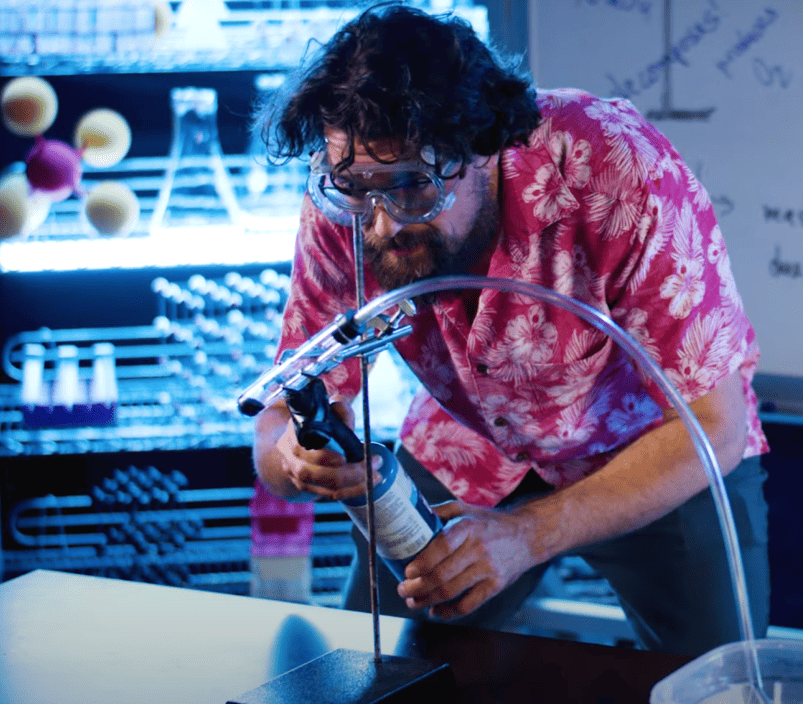
Feedback from students and instructors continues to shape how REAL CHEM evolves. Many point to the explorations and adaptive feedback tools as essential for staying engaged. But when it comes to lasting impact, it’s often the cinematic videos that stand out. Students share that seeing chemistry applied in real-world contexts—or represented by people with diverse paths and perspectives—helps them connect more personally to the subject. It becomes something they can see themselves doing, not just something they’re required to learn.
“Showing students that chemistry isn’t limited to one type of person—that it can belong to them—is a key part of how we build motivation,” Larson explains. “It’s not just about what we teach, but how students see themselves within it.”
Ongoing Development, Driven by Educators
REAL CHEM is more than a set of digital resources—it’s a model for how courseware can evolve through research, feedback, and use in the field. The goal isn’t just to deliver content, but to learn from how it’s used—and improve it over time.
That process depends on more than data. It’s supported by a growing community of instructors who contribute insights from their own classrooms, helping refine the course and expand its impact.
“I think the instructors are excited, because they feel they are joining a community,” says Kimberly Larson. “They’re excited to contribute to the growth and knowledge of the field—that we’re giving back to the learning science community.”
In that way, REAL CHEM continues to operate like the model it was built to be—tested, refined, and strengthened through the people who use it.
If you’re interested in contributing your perspective or learning more about how others are using the courseware, fill out the form to join the community of educators shaping what comes next.
Want to see how REAL CHEM could fit into your course?
Connect with a REAL CHEM rep to explore the platform and get started.